
26 March 2026
3D printing is rapidly expanding across sectors such as defense and healthcare, but security measures are struggling to keep up. A new project from DIREC seeks to close a critical gap that threatens both intellectual property and human safety.
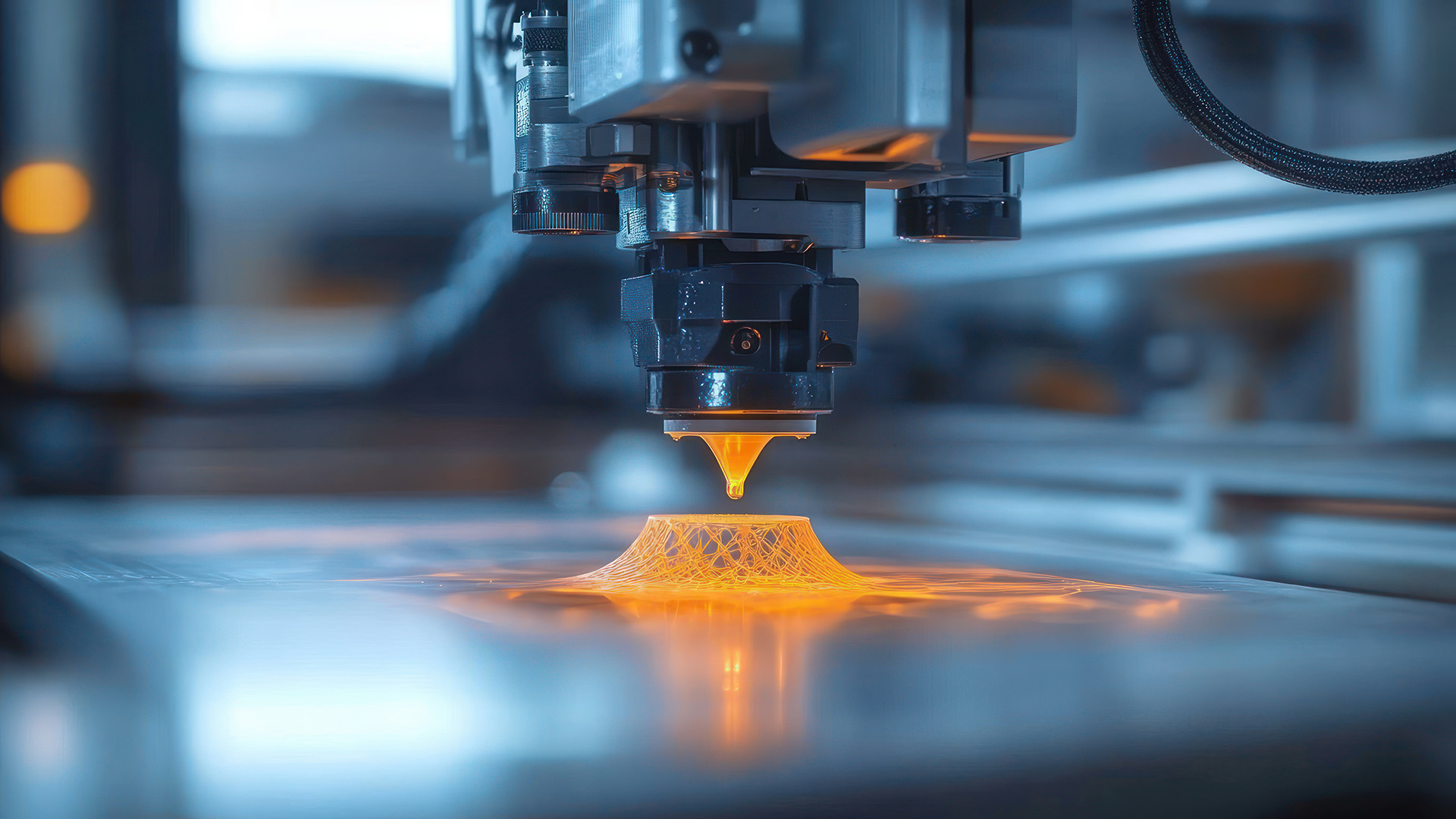
No longer limited to plastic figurines and simple prototypes, 3D printing—also known as Additive Manufacturing (AM)—has become a core technology in the production of everything from aircraft parts to advanced medical devices.
At the same time, the industry is expected to see significant growth in the coming years. According to Market Data Forecast, the European 3D printing market already exceeds $6 billion, while the global market is estimated at around $15 billion.
However, beneath this technological success lies an often underestimated vulnerability. Unlike traditional manufacturing, which relies on physical molds and machinery, 3D printing is fundamentally data-driven—making it an attractive target for cybercriminals.
If hackers gain access to design files, they can copy or sell them to competitors. Worse, they can subtly alter designs so that products fail during use. As a result, the risks extend beyond financial loss to potentially endangering human lives.
To tackle these challenges, DIREC has joined forces with the National Defence Technology Center, Security Tech Space, and the Danish Industry Foundation to launch the SECUREAM project. The initiative is led by Eun-Young Kang, Associate Professor at the University of Southern Denmark, in collaboration with the Danish Technological Institute and the companies Partisia and Create it Real.
The project aims to develop a methodology that can secure 3D printing processes —from initial design to final product—against malicious interference. Eun-Young Kang explains:
“While many companies recognize the importance of cybersecurity in 3D printing, few have implemented effective safeguards. They often lack insight into specific vulnerabilities, relevant security standards, and the strategies needed to protect themselves. At present, there is no established methodology in this field.”
She also highlights the impact of the EU’s upcoming Cyber Resilience Act (CRA), which will introduce strict security requirements for manufacturers:
“When the Cyber Resilience Act comes into force in 2027, security in Additive Manufacturing will no longer be optional—it will be a legal requirement. SecureAM addresses this gap by developing a framework that protects data, secures supply chains, and ensures the integrity of critical systems in line with new standards.”
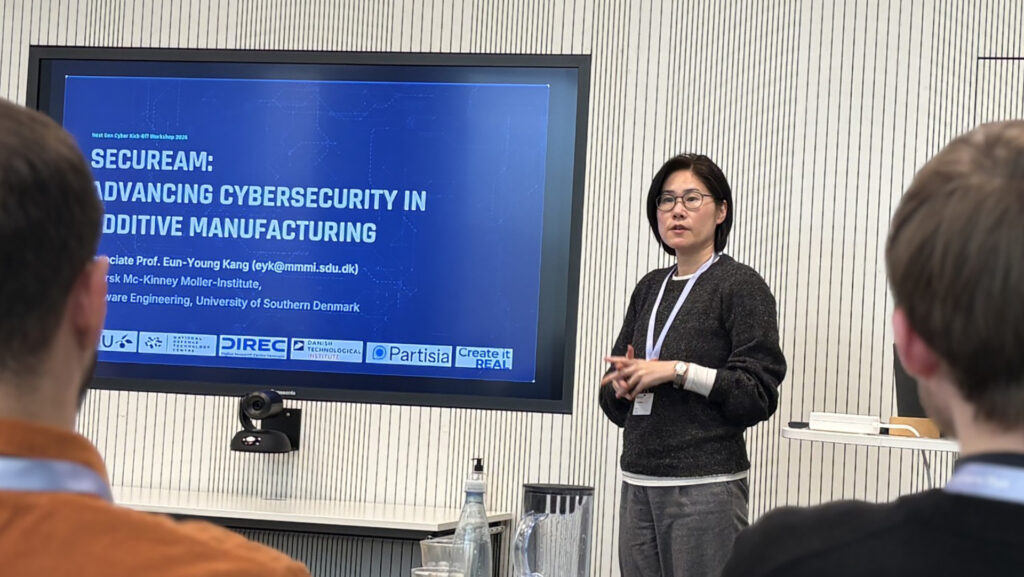
Eun-Young Kang, Project Lead and Associate Professor, University of Southern Denmark
For Danish industry, SecureAM is not only about defense – it is also about maintaining competitiveness. Jeremie Gay, CTO at Create it Real, has closely followed the industry’s development and sees enormous potential in being able to guarantee security for companies that have begun using 3D printing at scale.
“Many 3D printers on the market currently route data through foreign cloud servers, which poses a serious risk. Our ambition with SecureAM is to create a secure European alternative—an ecosystem that protects Danish intellectual property,” he says.
Another partner, Partisia, aims to strengthen supply chain security using advanced cryptographic technologies such as blockchain and multi-party computation (MPC).
“We see this project as an opportunity to contribute our expertise in blockchain and MPC,” says Anders Dalskov, Senior Cryptographic Engineer at Partisia. “It is crucial that companies can trust that their design files and encryption keys are handled securely—with full traceability, transparency, and robustness.”
For DIREC, the project exemplifies how research can address pressing societal challenges. Thomas Riisgaard, Director of DIREC, views SecureAM as a key component of Denmark’s digital security strategy:
“Denmark has a strong tradition in both design and digital innovation. However, we must remain vigilant about the risks that come with the digitalization of manufacturing. SecureAM demonstrates the value of bringing together leading researchers from SDU and industry pioneers. By securing 3D printing technology, we are safeguarding the future of industry.”