Quantum computing talks

Post-quantum cryptography: securing communication in the quantum era

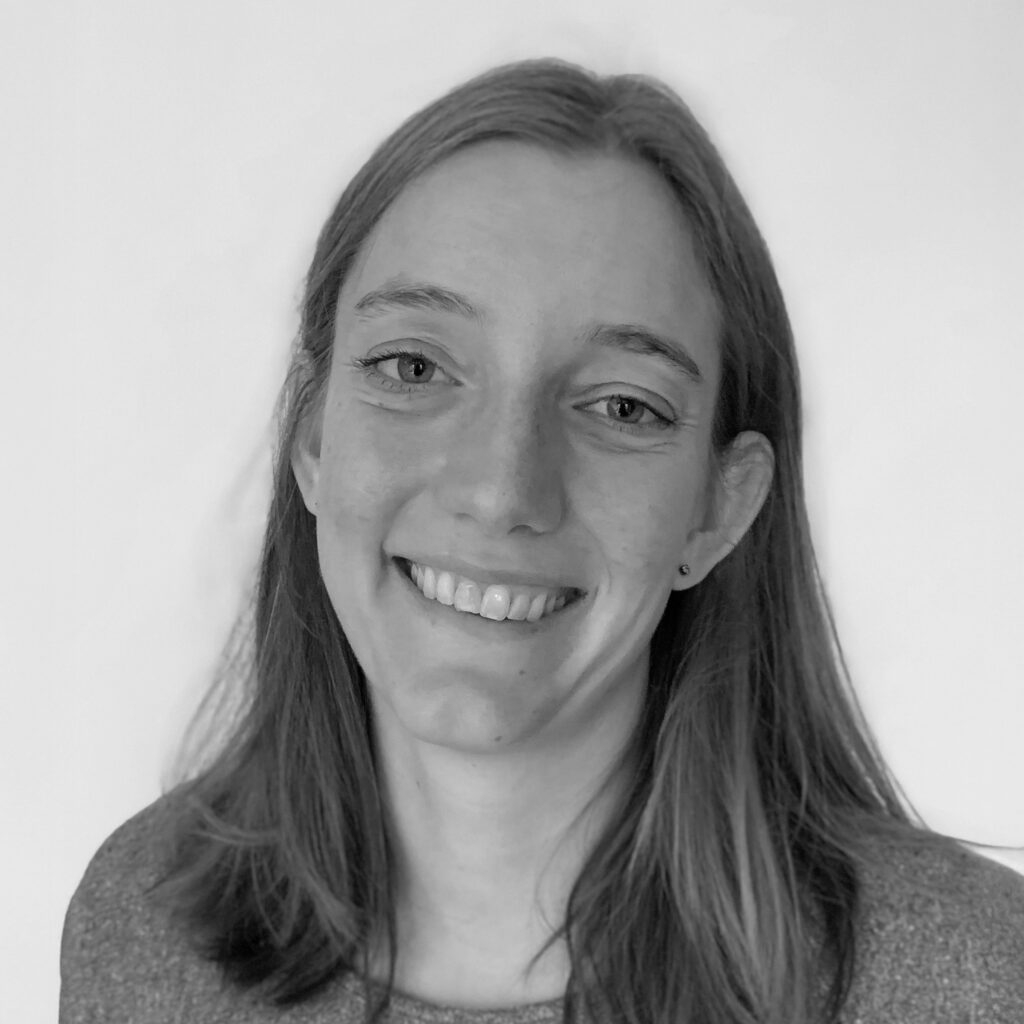
Freja Elbro

Security Architect, The Alexandra Institute

Overview

How can we secure our digital communication in a future with quantum computers? In this talk, Freja Elbro introduces the foundations of post-quantum cryptography and explains how researchers are developing cryptographic systems designed to withstand quantum attacks. By exploring modern key exchange mechanisms and the open challenges that remain, the lecture provides a technical entry point into one of the most important security challenges in the quantum era.  


Abstract

This lecture provides a technical introduction to post-quantum cryptography and compares four leading key exchange mechanisms: ML-KEM, HQC, Classic McEliece and FrodoKEM. It explores their security assumptions, performance trade-offs and the open research challenges involved in building cryptographic systems that remain secure against future quantum attacks. 

Bio 

Freja Elbro is a security architect at the Alexandra Institute, where she works with quantum-safe cryptography and security analysis. She holds a PhD from DTU in post-quantum cryptography. In her PhD, she worked on attacking cryptographic schemes built on hard problems from error-correcting codes. 


Resources

For a short overview of cryptography, the quantum threat and different approaches to post quantum cryptography, see for example:


More in-depth introductions to lattice- and code-based cryptography are for example given in: 


To see how the ideas turn into actual cryptographic schemes, the NIST-submissions are good resources. They are of course very technical but also have interesting motivational sections as well as an overview of the known attack avenues. See for example:

 
This lecture is a collaboration between DIREC and Alexandra Institute

Explore other quantum talks

Robin Kaarsgaard Sales, University of Southern Denmark

Mark Koch, Quantinuum and University of Oxford
David Aasen, Microsoft Station Q
Matthias Christandl, University of Copenhagen