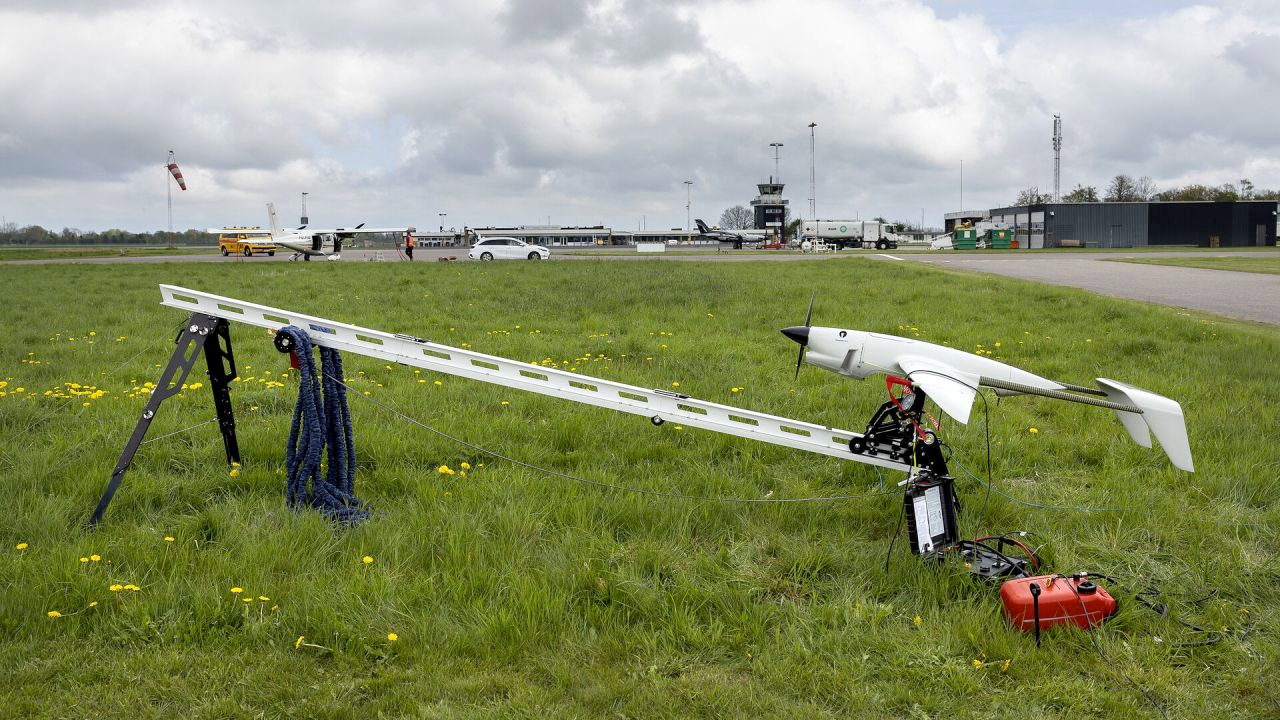
The current pause in the hybrid war against Denmark should be used wisely. Now is the time to accelerate the development of drone technologies that can safeguard our nation in the years to come. The most effective—and by far the most affordable—way to do so is to establish a dedicated drone test airspace
The reality is that Danish drone innovation lacks the infrastructure needed for rapid progress. If our world-class technologies are to take off — quite literally — we need more space. The current lull in hybrid hostilities offers the perfect opportunity to address this challenge.
Create a drone test airspace
Right now, Denmark has no test zones where advanced drones can be flown without months of paperwork and approvals. Once a permit is finally granted, even small changes — such as swapping sensors or upgrading drone models — often require starting the entire documentation process again.
This is in sharp contrast to countries like the Netherlands and the United Kingdom, both of which have established extensive drone testing zones. Unless Denmark follows suit, we risk seeing our most promising drone projects grounded before they even begin.
Imagine a permanent 5-square-kilometre test airspace near one of Denmark’s major university cities.
Companies and research teams could book time slots and choose from pre-approved exercises — perimeter patrols, thermal inspections, or anti-drone detection missions. At 10 a.m., a heavy multirotor drone could fly a complex combined mission. In the afternoon, another team might test scenarios where the drone cannot be seen with the naked eye. The next day, the software is adjusted and the tests begin anew.
In such an environment, drone development would accelerate dramatically. No months-long approval processes for minor adjustments. Researchers and companies could quickly, safely, and affordably collaborate in agile “technology dream teams” — refining the drones that will define the future of Danish security. It’s a low-cost initiative with enormous societal benefit.
Faster from prototype to practice
Denmark is already taking steps in this direction, but bureaucracy must not stand in the way of our core mission: protecting the nation.
The research project PERSIST is one promising example. In collaboration with power plants, it tests autonomous drone operations around critical infrastructure. The goal is to shorten the path from prototype to real-world deployment. We are spending months navigating complex approval procedures so that, hopefully, others won’t have to.
Denmark can hardly regulate its way to security from foreign powers. But with a dedicated test airspace close to universities, we can innovate our way to it. By significantly reducing development time without compromising safety, we can bring Danish solutions into society faster.